"A stunning first impression was not the same thing as love at first sight. But surely it was an invitation to consider the matter." - Lois McMaster Bujold
You may think that a resume is just a document that consists of two pages or more, but it is not only that. It may be open the door to your new exciting career growth. A resume is undoubtedly the first impression of the applicants that are applying for the opportunity. But, have you ever heard of a type of software used by most recruiters, the Applicant Tracking System (ATS)? The hard truth is that most resumes, especially companies that receive a high volume of applicants, won't even be seen by human eyes if the resume is not ATS-friendly.
What is Applicant Tracking System (ATS)?
An ATS resume scanner is made to look for work experience, skills, education, and other relevant data in a resume for job seekers. The hiring manager receives the resume after ATS determines it is a good fit for the position. During the hiring process, an ATS can simplify or automate the process of searching for resumes. The large pool of applicants is just one of many factors making it challenging to obtain a job. An ATS system helps the hiring staff save time and work. The resumes that don't meet the pre-established requirements are discarded, and no one sees them. The rise of the problem here is if resumes aren't written and formatted with ATS readability, many eligible job applicants are turned down. After the screening process done by ATS, only a small percentage of resumes are actually read by the hiring manager.
Why is it essential to create an ATS-friendly resume?
Writing an ATS-friendly resume is a great benefit to boost your possibility of calling for a job interview. Writing a proper ATS resume is now required for landing a job. In addition, an ATS may be why an applicant is never contacted by a recruiter, even if they have the necessary skills and experience for the job. According to research, systems reject qualified candidates because they can't read their resumes. As a result, learning the ATS preferences and modifying the resume may be advisable to increase the chances of being contacted by recruiters.
Without clearing the ATS, the possibility of your resume being reviewed by a human can be non-existent. When you submit a job application online, your resume isn't usually sent to a recruiter or hiring manager. Instead, it is being processed by an ATS first. Whether or not that hiring manager sees your resume may be determined by how well it is generated for ATS algorithms. ATS assist hiring managers in narrowing their number of applicants, and the potential candidates can fail if they do not follow the ATS rule.
How to write an ATS-friendly resume?
1)Ensure that you use the right keyword.
Any applicant tracking system that "reads" a resume is generally programmed to perform the same tasks that an actual person would do. It searches for important bits of information to determine whether you are a good fit for a job position. ATS algorithms aren't that different from human algorithms, scanning for the same things. The skills, qualifications, experience, or qualities that are crucial for the job might be used by the recruiter or hiring manager as the keywords to search for. That can mean specific majors for entry-level positions or a tech post, which might involve specific coding languages. Observe the hard talents highlighted throughout a job offering and listed near the top of the qualifications and responsibilities. Therefore, you must use those crucial keywords on your resume to pass the ATS.
2)Select the appropriate file type.
There are only two types in the excellent resume file debate: docx and pdf. The.docx format is the one that ATS processes most accurately, even though PDFs often do their best to maintain your format. So use a docx file if you wish to bypass the ATS. But follow the instructions if the job poster or listing requests a specific file type, so you must provide it. For example, if a posting states to submit the resume in pdf format, you must use it.
3)Minimize the quantity of fancy formatting.
You may not want to hear this, but you should probably throw out that premium resume template or the personally designed resume. According to experienced hiring managers and recruiters, creative or fancy resumes are tougher for them to read. Most ATS will change your resume into a text-only file so they can scan the relevant keywords. For example, when designing a resume to go through an ATS, avoid text boxes, logos, graphs, or other visuals.
4)Utilize the ATS-Friendly Resume template.
Due to the use of resume formats that the ATS cannot read, many candidates are turned down. Usually, fancy templates you may have paid for confuse the system. Selecting an ATS-friendly template is essential. Many job applicants exaggerate their resumes to differentiate themselves from competing with other applicants. However, ATS software finds it challenging to read resumes that contain graphic components, tables, or unusual fonts. Use an ATS-friendly resume template to stop your resume from being rejected by applicant tracking systems.
5)Use appropriate section headings on your resume.
Creating a resume can be tricky, especially when deciding which titles to use for the various parts. There are several resume headers that you can use to title each segment, but the headings you select should accurately reflect the material that is included in the section. For example, use career objectives, work experience, and educational background. Through this, ATS can find your resume section headings and record them.
Want to build CV that pass ATS?
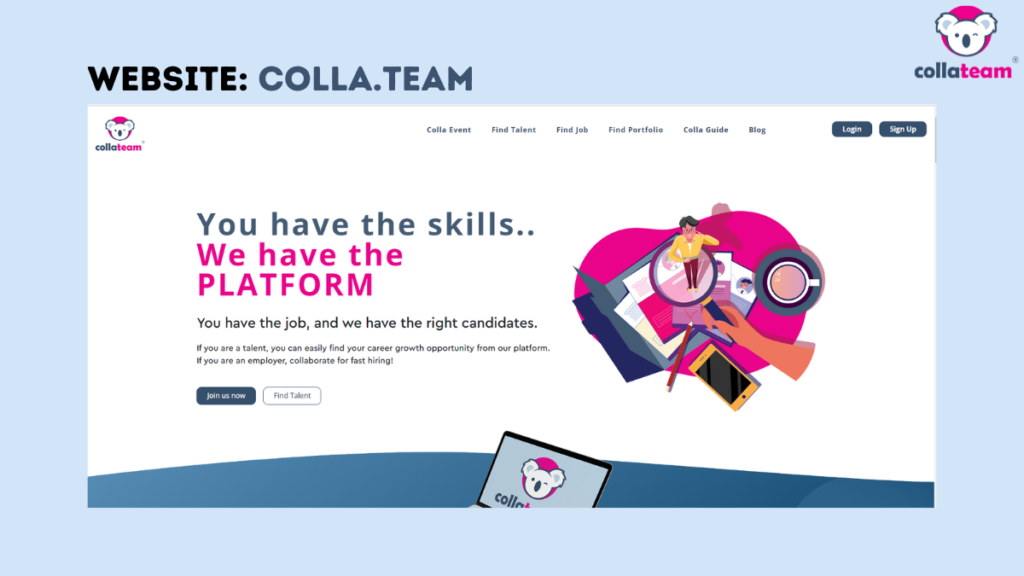
You can do it easily on our website Colla.team. Let's check it out now!
For more information, feel free to reach us at Whatsapp https://wapp.my/60189782066/ (Carmen).